


Lawyer for Cannabis Partnership Dissolution in Denver
A cannabis partnership breakup is not only an ownership dispute; it can also raise questions about control, contractual obligations, and business continuity. A lawyer for cannabis partnership dissolution in Denver can review the partnership or joint venture agreement, assess the issues between owners, and consider how a proposed exit affects the business. Denver’s cannabis licensing framework is distinct from other regulatory layers, so licensing considerations may also shape the analysis.
If you’re concerned about how a disagreement could affect your investment or the company’s operations, review the governing documents to clarify each party’s rights and options. This article explains how legal counsel can address partnership and shareholder disputes, and which agreement terms may matter when owners consider separating.
You’ll also learn how corporate transactions and cannabis licensing can affect dissolution planning, what information helps counsel assess the situation, and when legal advice can support a more structured way forward.
Table of Contents
Cannabis partnership and shareholder disputes
Colorado’s adult-use cannabis market followed Amendment 64 in 2012, and disputes can involve ownership, control, or business continuity. An attorney examines the entity structure and contracts before assessing dissolution, litigation, or a negotiated separation.
Colorado Partnership Dissolution Rules
Colorado law does not treat every cannabis business dispute the same way: the entity’s legal form and governing documents shape the dissolution process. Counsel reviews the partnership agreement, corporate records, and any buyout or exit terms to identify the applicable steps. A disagreement between partners, for example, may require a different approach from a shareholder dispute involving a corporation. The key question is how the documents address separation and continued operations.
Tax and Debt Obligations
Tax and debt obligations need attention before owners divide assets or complete a buyout. Counsel can organize the business’s contracts, accounting records, creditor obligations, and ownership documents to clarify outstanding liabilities and how the agreement addresses them. A disputed loan, unpaid vendor invoice, or disagreement over a tax allocation may affect the proposed separation. The analysis should distinguish the company’s obligations from the parties’ competing claims.
Buyout Valuation and Asset Division
A Denver cannabis partnership buyout needs a clear basis for valuing the departing owner’s interest and allocating business property. Counsel reviews the agreement’s valuation method, ownership percentages, financial records, and asset schedules. Relevant property may include equipment, inventory, leasehold interests, or real estate held by the business. If the agreement provides no workable method, competing assumptions about value can become a central dispute and may lead to litigation.
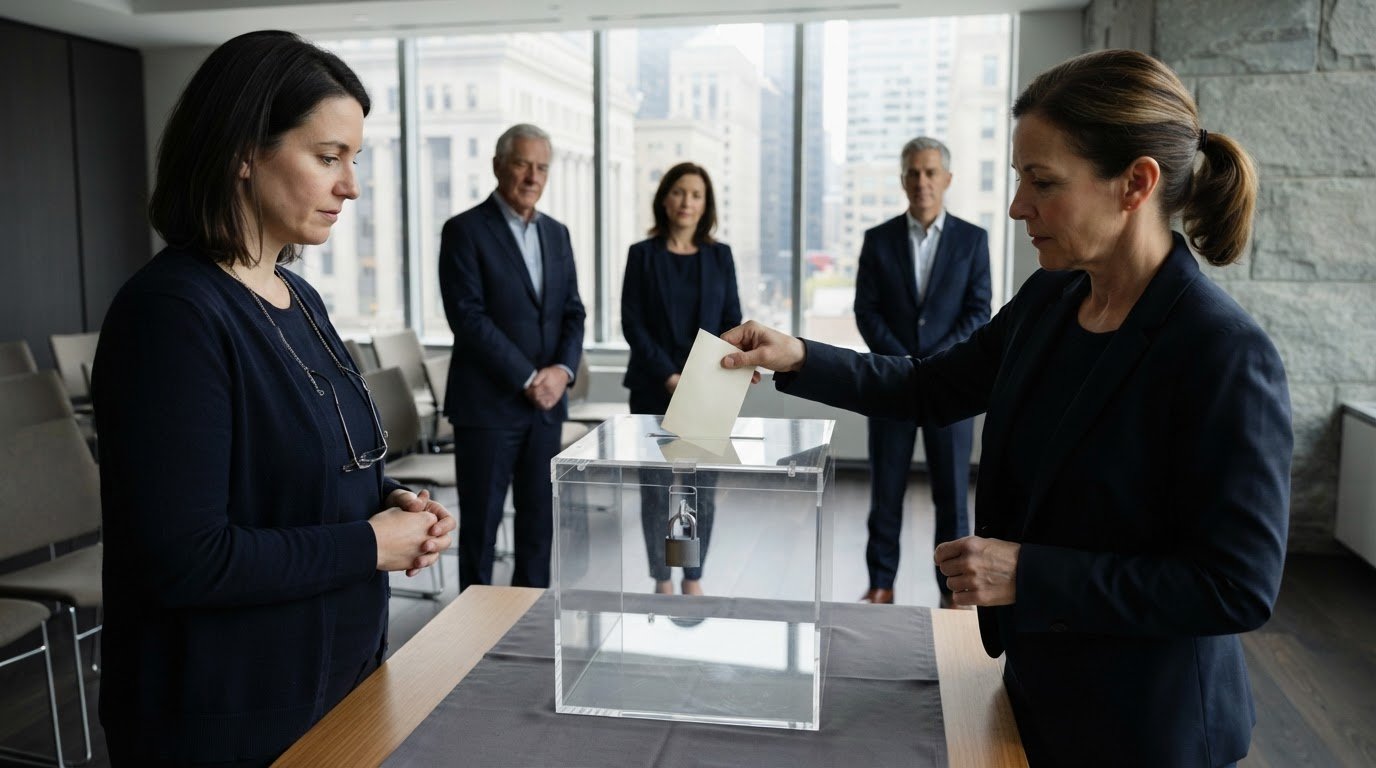
Investor and shareholder disputes may involve voting rights, contributions, distributions, or claims that an owner breached a contract. Membership disputes can concern who holds an interest or whether a transfer was permitted. Reviewing these issues alongside the entity’s records and proposed exit can clarify which claims need resolution before the cannabis business moves forward.
Denver cannabis law
Denver has a local cannabis licensing framework, separate from other regulatory requirements. When a business dissolves, counsel should assess its licence separately from the owners’ contracts and corporate arrangements. Whether a licence can transfer or must be surrendered depends on applicable licensing requirements and the transaction structure. Dissolution alone does not resolve the licence question.
A practical review starts by identifying the licensed entity, the owners involved, and the proposed change. A departing investor’s buyout, for example, may raise different licensing questions from a sale of the operating business or a complete wind-down. Counsel can compare the proposed steps with Denver’s local framework and relevant state requirements, then identify decisions to address before the parties finalize their separation.
Regulatory analysis matters alongside commercial issues. A dispute over control may affect who can make business decisions during negotiations, while an acquisition or ownership change can alter the transaction plan. Counsel can coordinate corporate documents, contracts, and licensing considerations so the parties understand how one decision may affect another. Investors with interests in multiple states may also need to distinguish issues arising from Denver operations from those tied to other states or business arrangements.
Denver cannabis counsel can also help assess licensing and regulatory compliance concerns connected to a business transition. The work may include reviewing the proposed ownership changes, identifying unresolved licensing questions, and aligning the transaction documents with the intended outcome. This is particularly relevant when the parties disagree about who controls the business during dissolution or whether operations will continue under changed ownership. A focused cannabis licensing review can help place those regulatory considerations within the broader separation strategy.
Whether the licence may transfer or must be surrendered depends on applicable licensing requirements and the transaction structure. Dissolution alone does not resolve the issue. Before the parties finalize their separation, the review should identify the licensed entity, owners, and proposed changes, then assess them under Denver’s local framework and relevant state requirements.
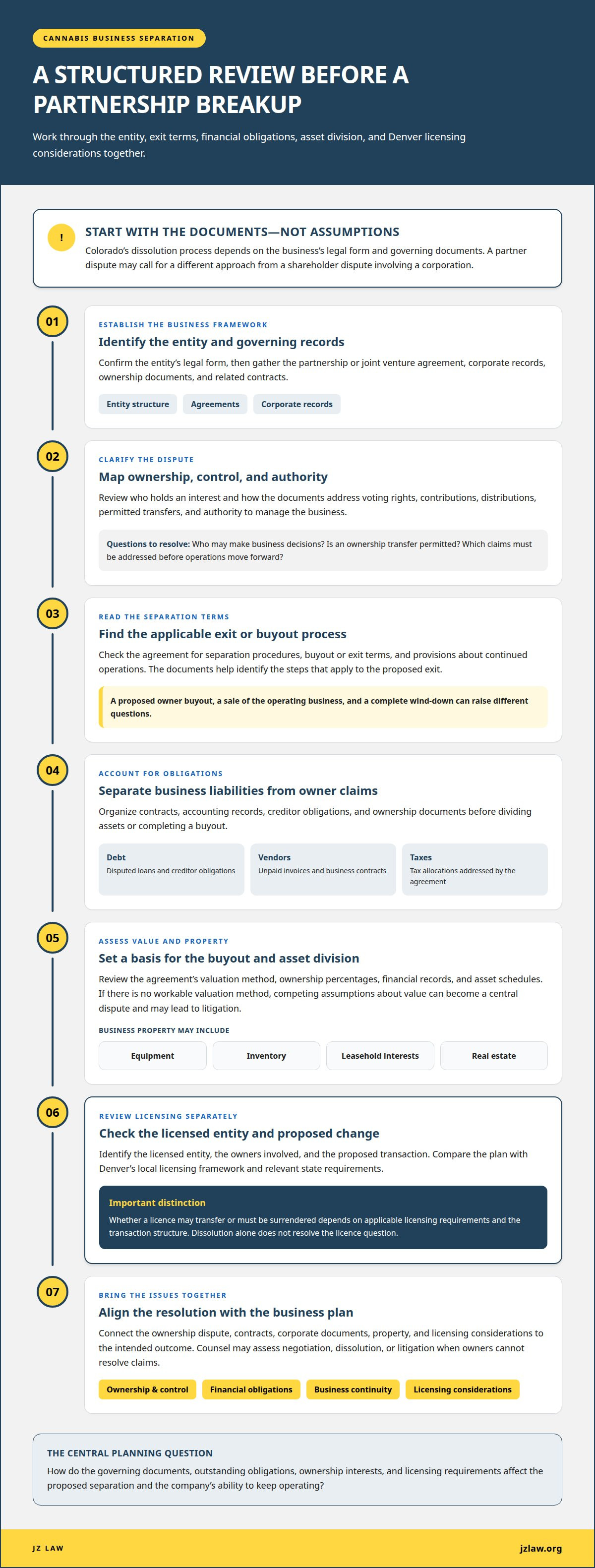
Denver-area legal representation
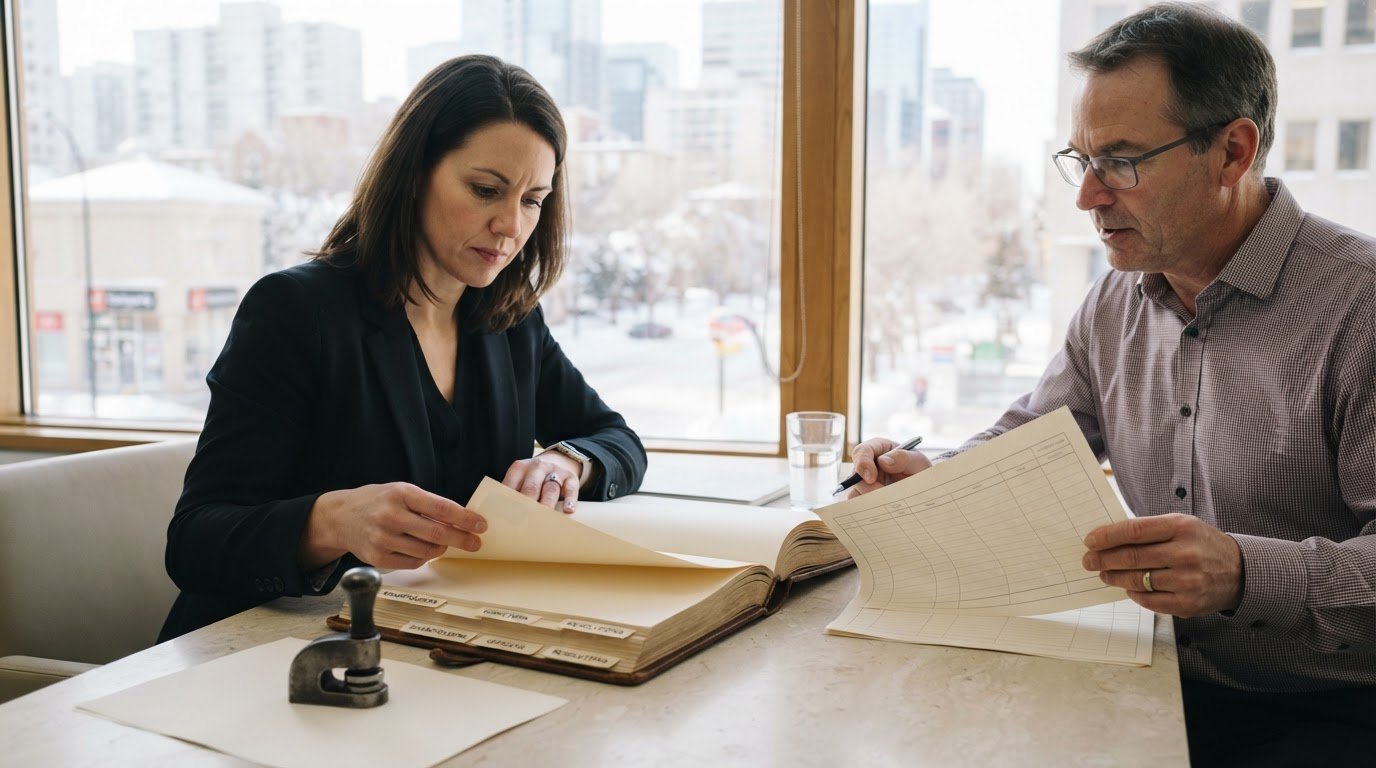
A cannabis partnership dispute in Denver may require counsel to assess corporate, licensing, and property issues together. Legal representation can include negotiations, document review, and litigation when owners cannot resolve claims over control or a proposed exit. If one member challenges another’s authority to manage a cannabis business, for example, counsel can review the governing records and identify the decisions in dispute. A comprehensive assessment connects those claims to the company’s agreements and planned course of action.
Geography matters when operations, property, or owners span multiple counties. Legal advice and representation are described for Denver County, Adams County, Arapahoe County, Douglas County, Jefferson County, Broomfield County, and Boulder County. Counsel can map the entities and assets in each location, then assess how the dispute affects operations. This can help owners address a membership claim, a real estate disagreement, or a dispute over who may speak for the licensed company.
A directory lists 19 cannabis law attorneys in Denver, Colorado, but the number alone does not show whether a lawyer’s practice fits a specific dispute. Relevant experience includes interpreting cannabis contracts, assessing licensing concerns, and handling corporate conflicts. A trademark disagreement, for instance, may concern who owns a business name or related brand assets, while a shareholder dispute may focus on voting or financial rights. Counsel can identify those issues, represent the party’s position in negotiations or litigation, and align the legal action with the business’s planned transition. The aim is a clear strategy that addresses the dispute’s connected legal and commercial elements.
JZ Law notes that cannabis has been legalized in most U.S. states for medicinal use, recreational adult use, or both. For a Denver-area partnership, counsel can consider the company’s specific licensing and ownership questions in that wider context, while focusing advice on the parties’ agreements, operations, and proposed resolution.
Joint venture and partnership agreements
Formation documents can determine how owners resolve disputes, approve transactions, and end a business relationship. A lawyer reviews those terms alongside the company’s assets and obligations.
Dissolving a Cannabis LLC or Partnership
To dissolve a cannabis LLC or partnership in Colorado, counsel first identifies the entity type and governing agreement. The review focuses on termination rights, voting rules, buyout provisions, and procedures for winding down operations. It also considers whether the owners agreed to mediation or another dispute process. For a joint venture, counsel examines its scope and duration and relates those terms to the proposed separation.
Licensed Business Dissolution Steps
For a licensed Denver business, counsel coordinates the agreement’s exit terms with licensing and operational decisions. Legal work may include reviewing ownership records, identifying unresolved disputes, and organizing documents for a transfer or wind-down plan. The sequence depends on the entity, license, contracts, and intended outcome. Owners should address operational control and outstanding obligations before finalizing dissolution documents.
Other provisions can materially affect a separation. A real estate clause may determine how the business handles a property lease or jointly held premises. Employment terms can raise questions about staff responsibilities during a transition. Counsel also reviews transaction provisions, including transfer restrictions and how the agreement treats a departing owner’s interest.
Federal considerations require separate attention: cannabis activities remain illegal at the federal level. This context may affect how owners assess business arrangements and obligations, so counsel should consider it alongside Colorado and Denver requirements. It does not replace a review of the entity’s contracts or the local licensing framework.
A structured review typically connects formation documents, financial and ownership records, licensing matters, and proposed dissolution terms. This helps counsel identify conflicting provisions before they shape negotiations or litigation. For legal review of cannabis business agreements and separation planning, request counsel for your dissolution matter.
JZ Law: Cannabis Licensing
JZ Law provides Cannabis Licensing services when a partnership separation affects a cannabis business’s licensing position. Counsel can assess licensing considerations alongside ownership changes and the proposed business transition, bringing regulatory questions into the parties’ dispute-resolution planning.
Turn to JZ Law when a disagreement over control, a planned buyout, or a business wind-down raises licensing concerns. The legal approach depends on the company’s structure, agreements, and intended next steps. For matters involving securities or plans to go public, JZ Law also provides Securities Regulation and Taking Companies Public services.
Contact JZ Law to discuss your cannabis licensing concerns.
Choose a Clear Path Forward
A partnership separation can shape the business’s next chapter, not just settle a disagreement between owners. Start by deciding what outcome matters most: ending shared operations, preserving the company under new ownership, or resolving a specific dispute while keeping the business active. That priority gives counsel a practical basis for assessing options and identifying the decisions that need attention first.
A lawyer for cannabis partnership dissolution in Denver can connect legal strategy to business objectives. JZ Law provides John Zang Services and Taking Companies Public, alongside Cannabis Licensing for matters where licensing concerns intersect with a transition. A focused discussion can begin with the central dispute and the outcome you want to pursue.
Contact JZ Law about your dispute to discuss a considered path forward. A clear next step can help bring structure to a complex business decision.
Frequently Asked Questions
What does a Denver cannabis business partnership dissolution lawyer do?
A lawyer for cannabis partnership dissolution in Denver can assess the owners’ legal relationship, identify disputed rights, and advise on separation options. If partners disagree about who may approve business decisions during negotiations, for example, counsel can review the governing documents and clarify the issue. In a licensed cannabis business, licensing requirements may also affect a proposed ownership change or wind-down, so the analysis should account for the intended outcome.
What risks and disputes can arise when dissolving a cannabis partnership in Colorado?
Common pressure points include disagreements over control, ownership interests, debts, property, and business records. One specific risk arises when owners disagree about who can authorize spending while the company remains active. That dispute can affect vendor payments and operations as well as the separation itself. Counsel can assess the claims, clarify which decisions need resolution, and structure negotiations around documented obligations and the proposed transition.
How should I choose a Denver cannabis business lawyer?
When choosing a lawyer for cannabis partnership dissolution in Denver, consider whether they can address the central legal issue, such as cannabis licensing, corporate transactions, or disputed ownership documents. Ask how the legal work will account for continued operations and the parties’ desired outcome. JZ Law provides Cannabis Licensing and corporate-sector legal services, including licensing counsel relevant to disputes involving cannabis regulation.

Comments